“The not-to-be-forgotten.”
The war as it is in the West Bank.
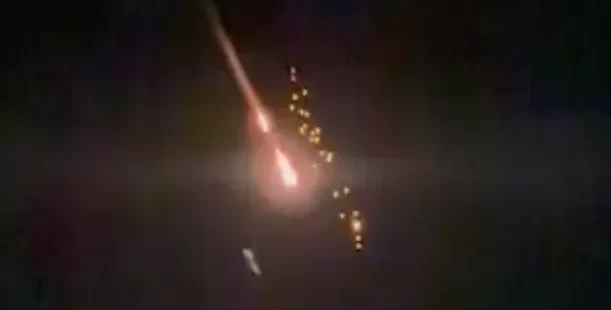
10 MARCH—It is 11 days into the U.S.-Israel war on Iran and there are no reports in corporate media on the impact of this aggression in the West Bank even as missiles fly over the heads of Palestinians in West Bank towns, villages, and refugee camps. In a repeat of the war in June, the Zionist regime immediately closed all checkpoints, roadblocks, and gates—some 900 in all. The entire West Bank is locked down. The situation in Gaza is worse. These, let us never forget, are also fronts in Israel’s wider war across West Asia.
Across the West Bank, travel is possible only on primitive dirt roads where Palestinians are more easily ambushed and attacked by settlers. This is devastating for rural villages that have no medical facilities or grocery stores. A drive that would normally take 20 minutes to buy food now requires an hour each way. Schools are closed and students attend classes online. There are no ambulance services. Garbage is piling up in cities and villages throughout the West Bank posing health concerns.
Settler violence has surged. As always, the Zionist regime uses the cover of war to advance its ethnic cleansing of the West Bank. As of 8 March, six Palestinians had been killed by settlers and soldiers. In Gaza, all deliveries have stopped. The starvation siege continues; Israel bombs the enclave daily from the coast, if not, per usual, the air.
A friend texted me from Nablus on 1 March, two days into the war: “We live now inside a prison. All the checkpoints are closed. No one can move outside Nablus.” On Thursday he sent the following report. We must never forget that Palestine is at the very center of Israel’s wars in West Asia as Palestinians, at this point as best they can, continue to defy and resist the Zionist vision of Greater Israel. Existence is resistance.
Of necessity I publish this report anonymously.
—C.M.
5 MARCH—The region is currently witnessing significant tensions due to the ongoing events between the United States and Israel on one side and Iran on the other. These developments have clearly affected the situation in the West Bank, where many aspects of daily life have been impacted as a result of regional instability and rising tensions.
These events have led to increasing economic pressure on citizens. Prices have started to rise noticeably, even though the situation had already been difficult since the beginning of the war on Gaza. As tensions continue and the conflict expands, the economic situation has become even more challenging, affecting people’s purchasing power and the availability of some basic goods.
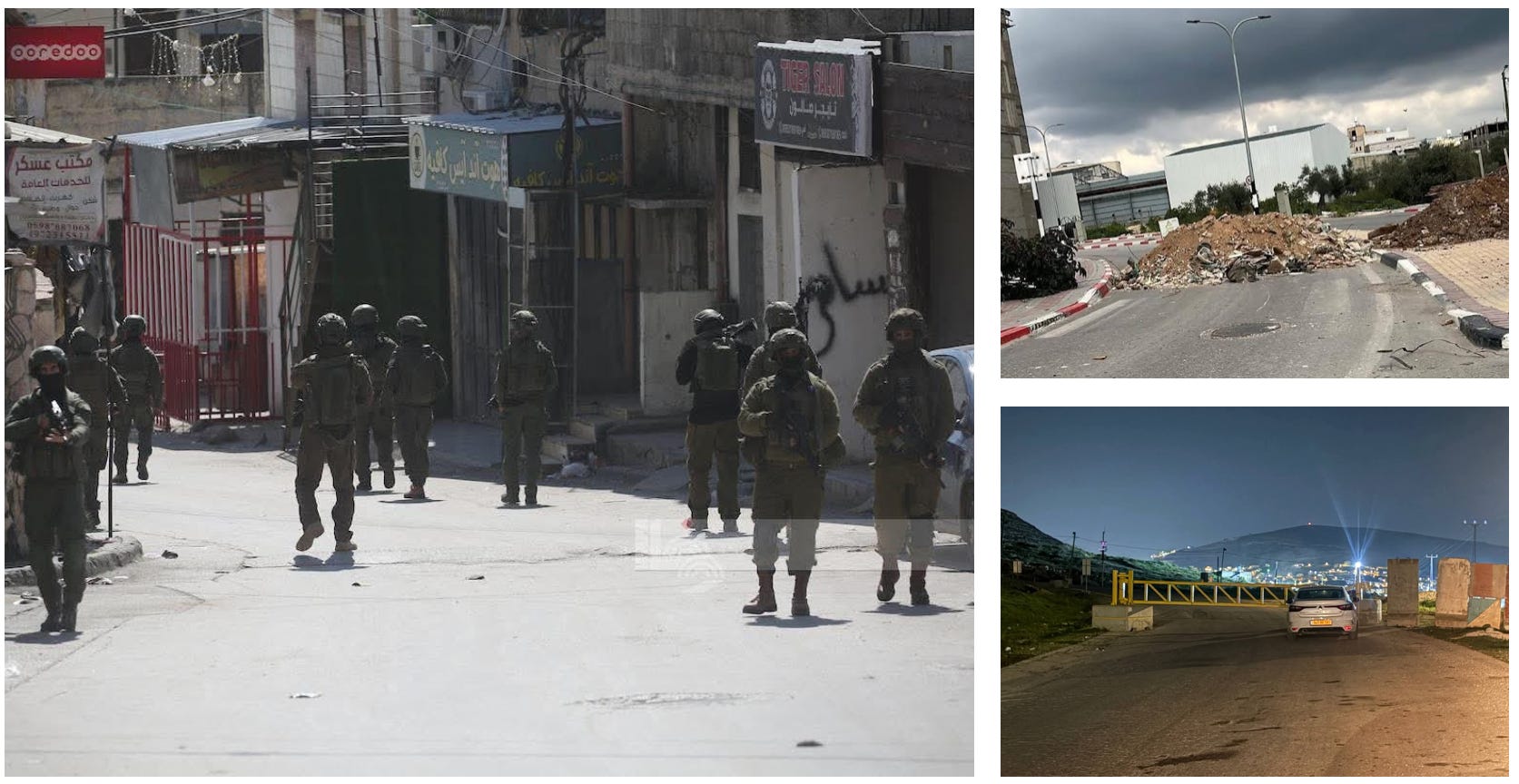
In addition, the atmosphere of uncertainty and anxiety accompanying these events has increased the suffering of people in the West Bank, especially given the already difficult living conditions faced by many residents. As time passes and the conflict with Iran continues, fears are growing that the economic and social situation may worsen further, which negatively affects the lives and stability of the population.
Moreover, many Palestinian villages in the West Bank have been experiencing repeated attacks by settlers. These attacks often result in injuries to Palestinians and damage to property. Recently, these assaults have increased, further intensifying the sense of fear and tension among residents. The most recent attack resulted in the killing of two Palestinian men, highlighting the seriousness of the security and humanitarian situation faced by civilians in the area.
Overall, the ongoing military escalation in the region affects not only the parties directly involved in the conflict, but also impacts surrounding communities, including those in the West Bank, where residents are facing increasing economic, social, and security challenges as a result of these developments.
Everything I write is freely available. If you appreciate what you read, please consider supporting my work. You can become a paid subscriber by clicking on the button below. You can “buy me a coffee.” You can send a one-time, monthly, or yearly donation via PayPal. Or you can support me on Patreon. You can also share this report. Thank you.